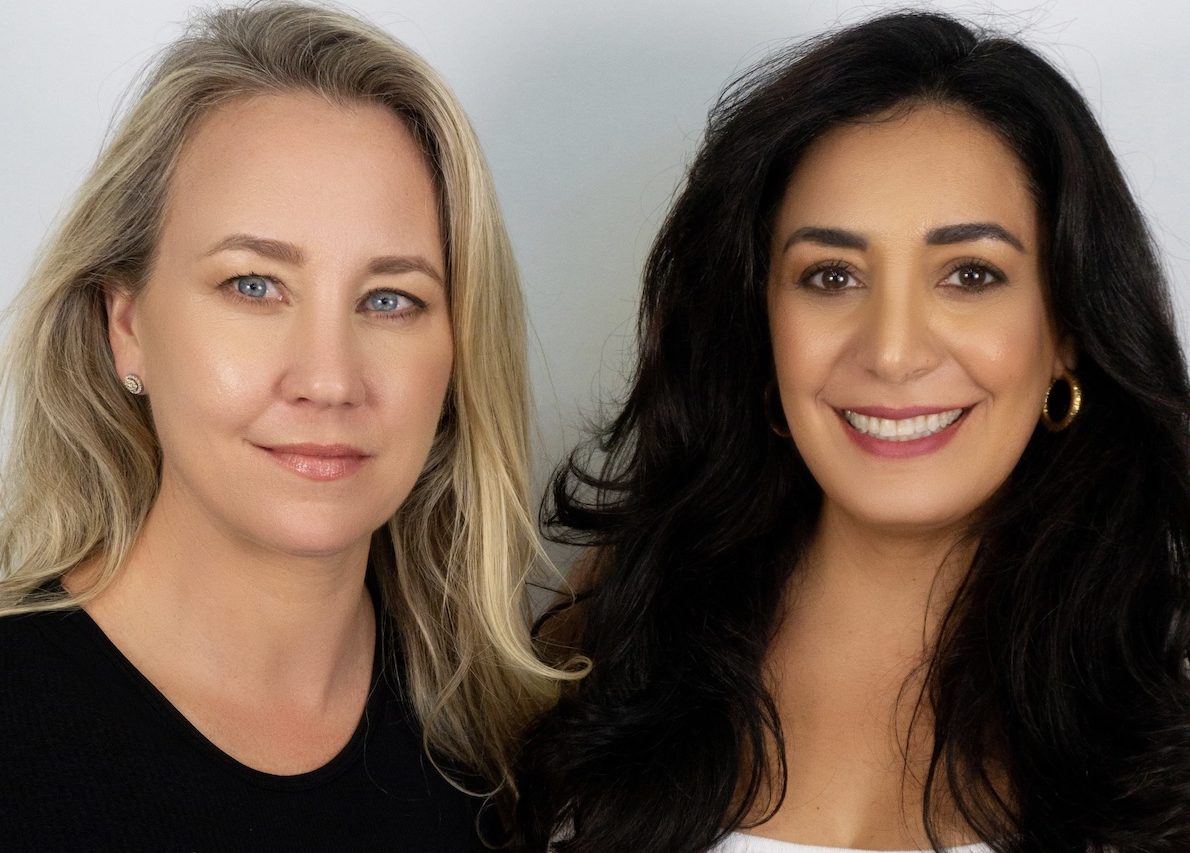
—Daniele Visioni is a local weather scientist and assistant professor at Cornell College
The general public debate over whether or not we should always think about deliberately altering the local weather system is heating up, as the risks of local weather instability rise and extra teams look to check applied sciences that would cool the planet.
Such interventions, generally referred to as photo voltaic geoengineering, might embody releasing sulfur dioxide within the stratosphere to solid away extra daylight, or spraying salt particles alongside coastlines to create denser, extra reflective marine clouds.
The rising curiosity in finding out the potential of those instruments has triggered corresponding calls to close down the analysis area, or no less than to limit it extra tightly. However such guidelines would hinder scientific exploration of applied sciences that would save lives and ease struggling as international warming accelerates—and so they may also be far more durable to outline and implement than their proponents recognize. Learn the total story.
This architect is chopping up supplies to make them stronger and lighter
As a baby, Emily Baker beloved to make paper variations of issues. It was a behavior that caught. Years later, finding out structure in graduate faculty, she was taking part in round with some paper and scissors when she made a putting discovery.
By making a collection of cuts and folds in a sheet of paper, Baker discovered she may produce two planes linked by a fancy set of skinny strips. With out the necessity for an adhesive, this sample created a floor that was thick however light-weight. Baker named her creation Spin-Valence.